About
About
About
THE ROYAL OAK
About
THE ROYAL OAK
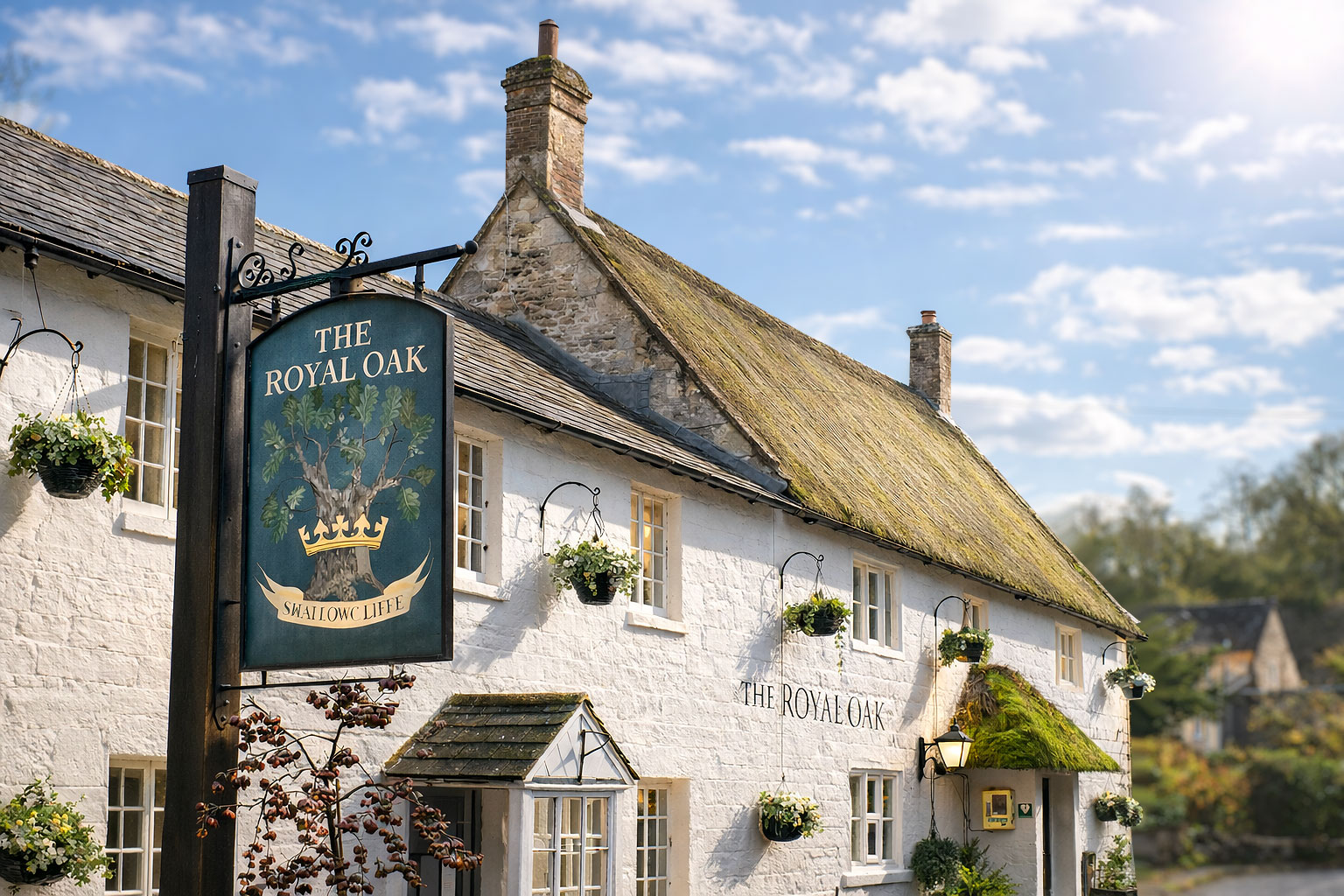
Tucked away in the Nadder Valley, away from the hustle and bustle, The Royal Oak has been an inn since 1852. The pub is set in the beautiful village of Swallowcliffe, nestled in a little dell, just off the A303.
Tucked away in the Nadder Valley, away from the hustle and bustle, The Royal Oak has been an inn since 1852. The pub is set in the beautiful village of Swallowcliffe, nestled in a little dell, just off the A303.
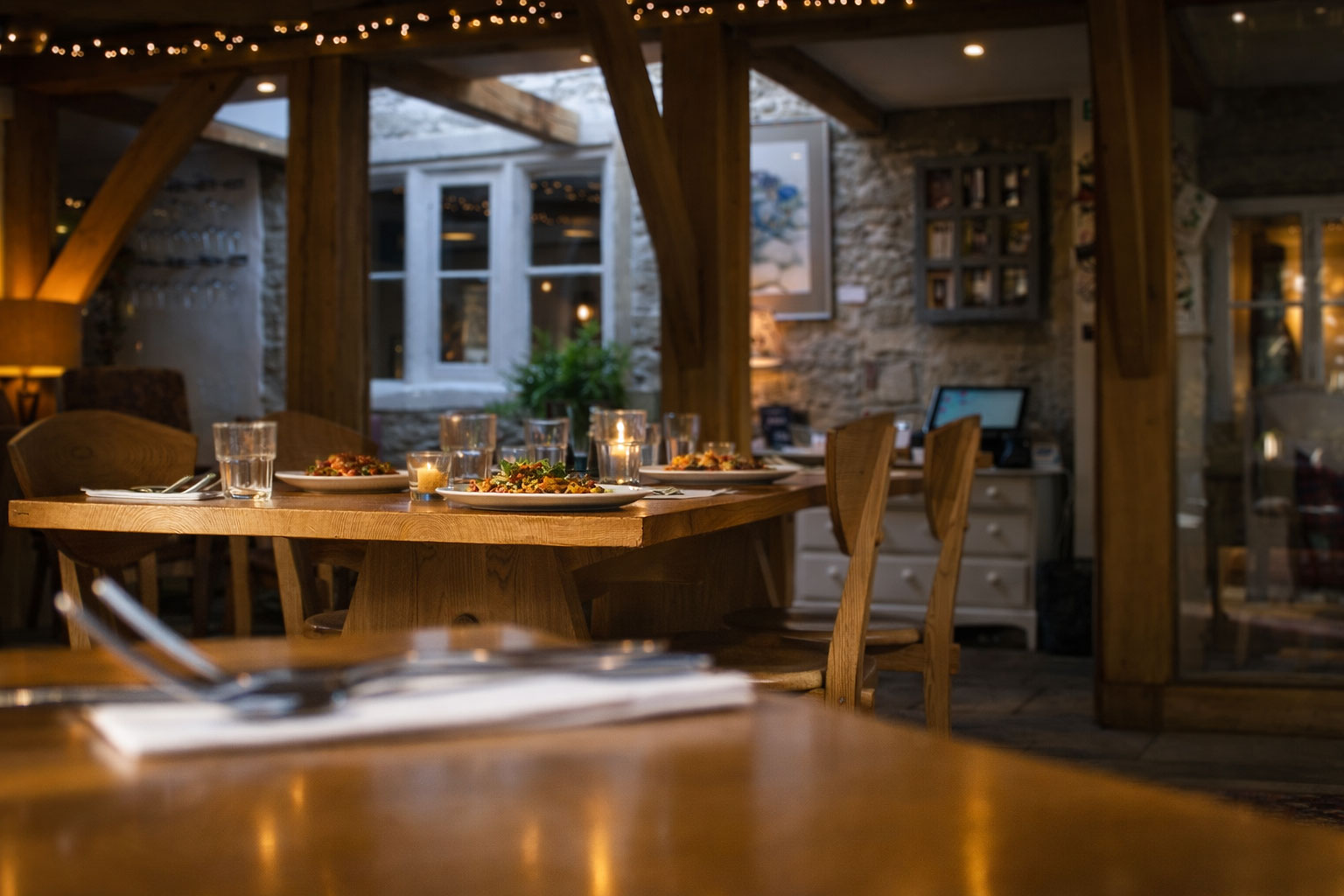
Since it's renovation in 2015, the pub has built a reputation for high quality food, superior rooms and a relaxed and friendly atmosphere.
During the renovation process, quality craftsmanship and locally sourced suppliers were at the heart of each design decision. There is a lovely mix of old and new, with traditional thick beams and stone fireplaces as well as stylish wooden furniture by local designer Matthew Burt and a fabulous modern conservatory, framed with green oak, that overlooks the garden.
With Tisbury train station, on the main Exeter to Waterloo line, no more than a five minute drive from the pub, it is possible to escape London to the perfect countryside idyll in less than two hours.
Since it's renovation in 2015, the pub has built a reputation for high quality food, superior rooms and a relaxed and friendly atmosphere.
During the renovation process, quality craftsmanship and locally sourced suppliers were at the heart of each design decision. There is a lovely mix of old and new, with traditional thick beams and stone fireplaces as well as stylish wooden furniture by local designer Matthew Burt and a fabulous modern conservatory, framed with green oak, that overlooks the garden.
With Tisbury train station, on the main Exeter to Waterloo line, no more than a five minute drive from the pub, it is possible to escape London to the perfect countryside idyll in less than two hours.
THE STORY OF THE ROYAL OAK
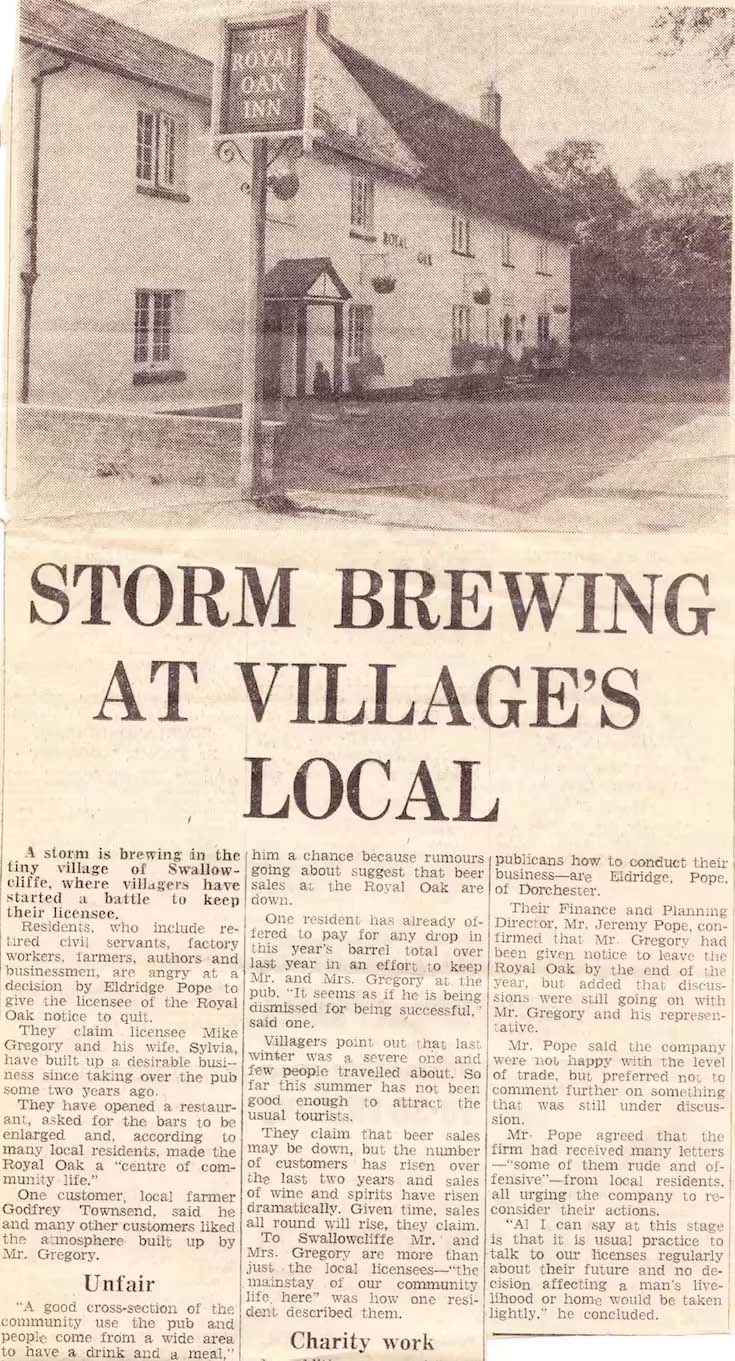
Sadly the pub closed its doors in 2007 and it remained unsold, empty and unloved for seven years.
Several applications were made to convert the building into private housing during that time but stiff opposition from local residents, who strongly believed the pub should remain at the heart of the community, lead to them being turned down.
Eventually three Swallowcliffe residents decided to purchase the run down building and the mammoth project of restoring The Royal Oak to its former glory commenced in April 2014.
OUR HISTORY
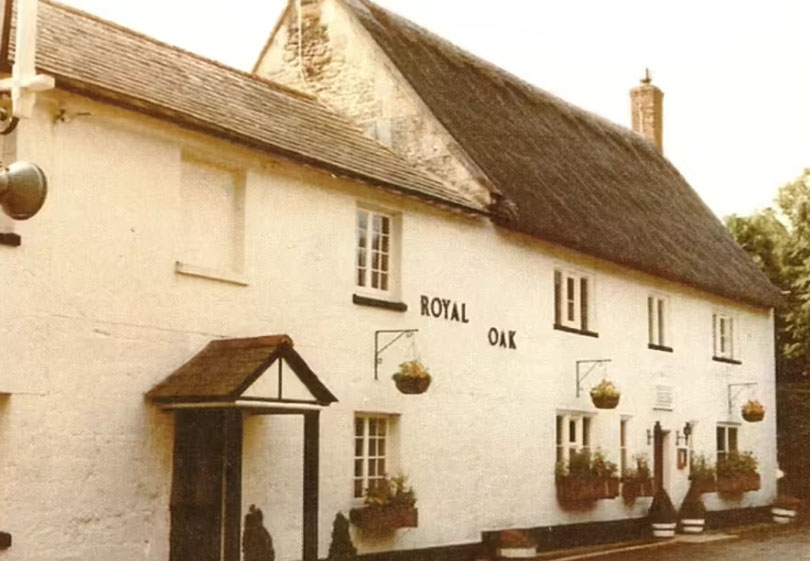
Although the precise date of The Royal Oak's construction is unknown, one of the chimney stacks bears the date 1705 and it is known to have been in use as a tannery by 1707.
The tannery works were built and owned by Thomas Wright and after his death the building continued to be referred to as a tanyard for over 100 years. It is known the tannery was a contributing factor in the decision to move St Peter's Church in 1842, from its position directly to the west of The Royal Oak, to where it stands today. The tannery owned the watercourses at the back of (what is today) The Royal Oak garden and their use in the tanning process contributed to the regular flooding of the old church.
The building was still call The Tanyard in the 1851 census, but was possibly now only used as a farmhouse. The 1861 census shows that owner Edward Spencer had decided to turn the building into an ale house and records show that the doors of The Royal Oak Inn were first opened some time between 1852 and 1858.
It was said that few changes were made to the interior of the building during this time and that the ale house looked much as it had when Thomas Wright first built the tannery in the early 1700's.
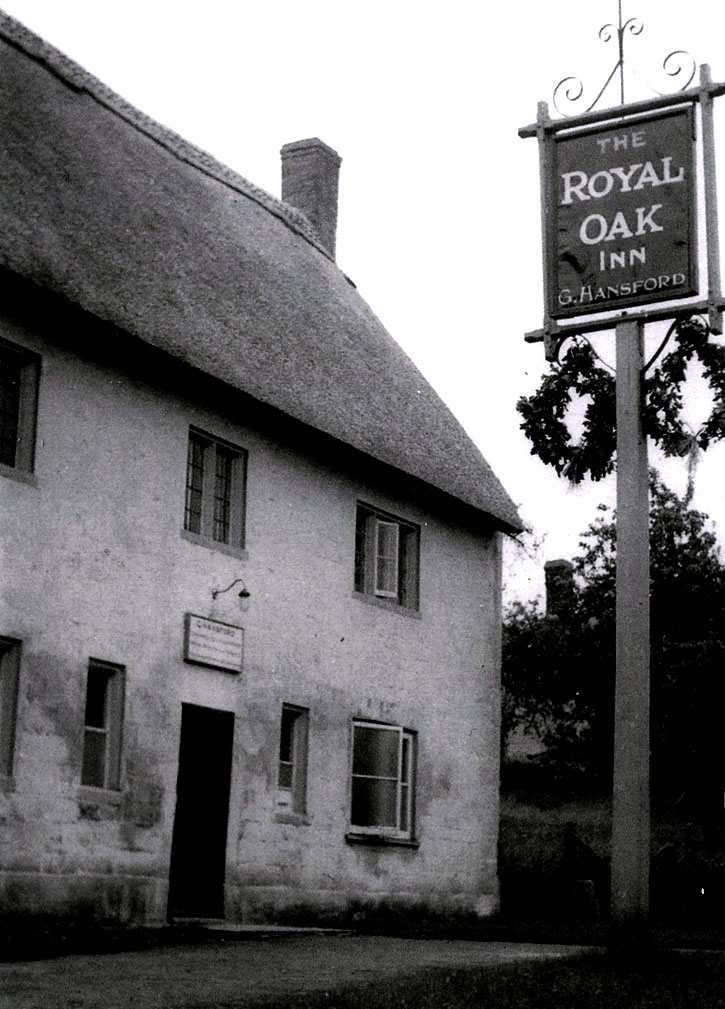
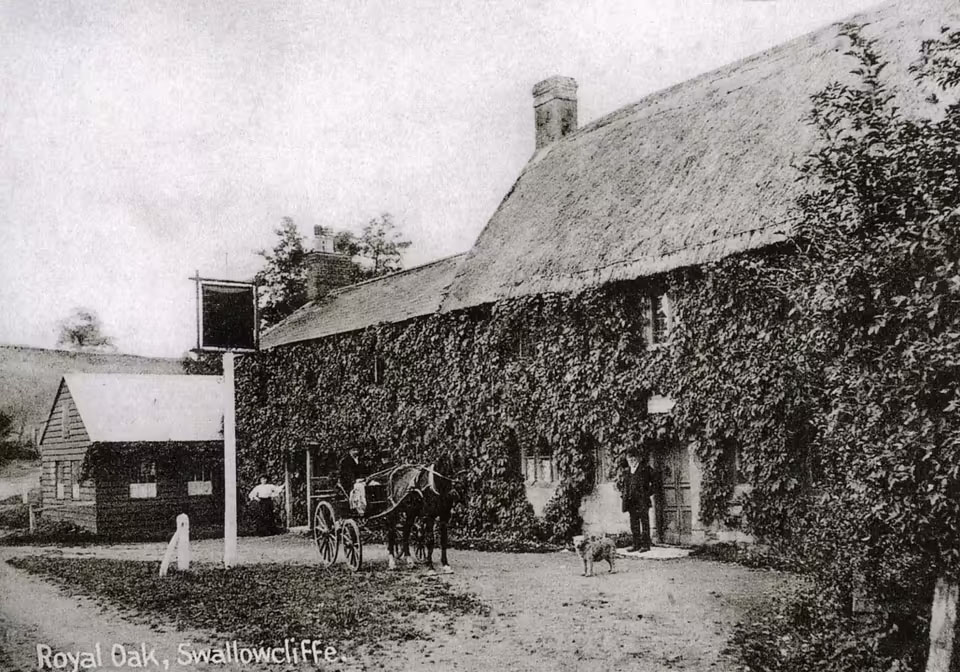
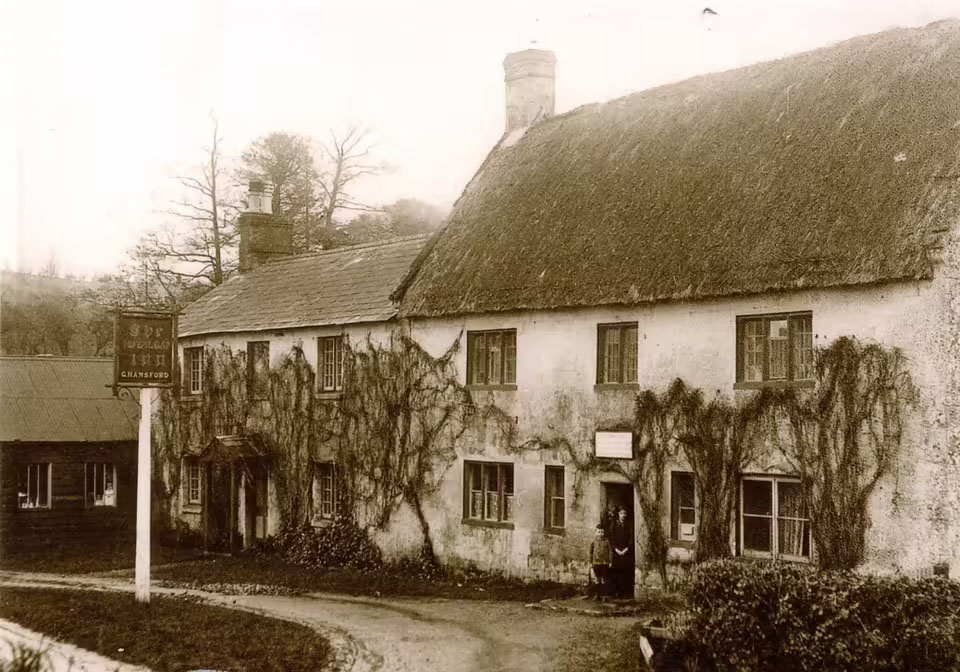
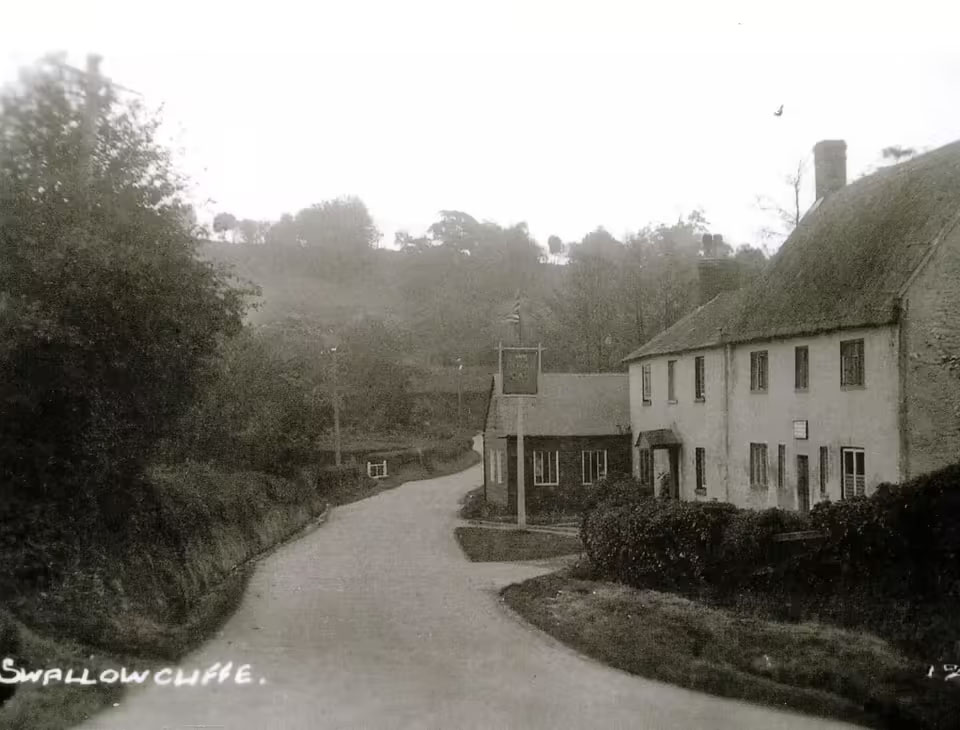
The pub remained a constant and important part of village life for over a century, until it closed in 2007. After an extensive renovation project, the pub reopened in 2015, and although the interior of the pub today is a far cry from the ale house in a former tannery, the exterior has barely changed since the building's construction in 1705.
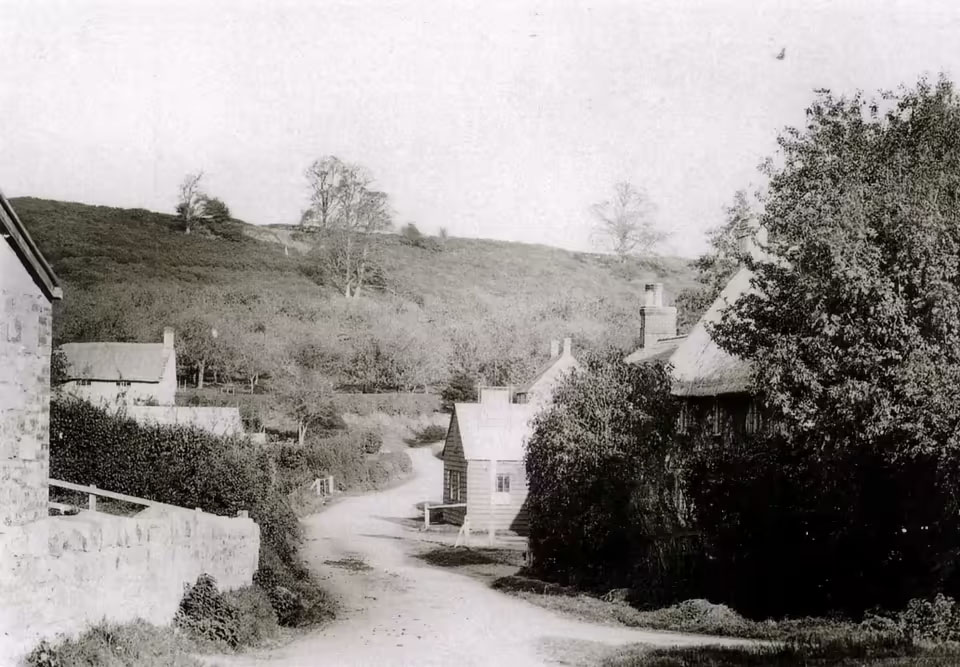
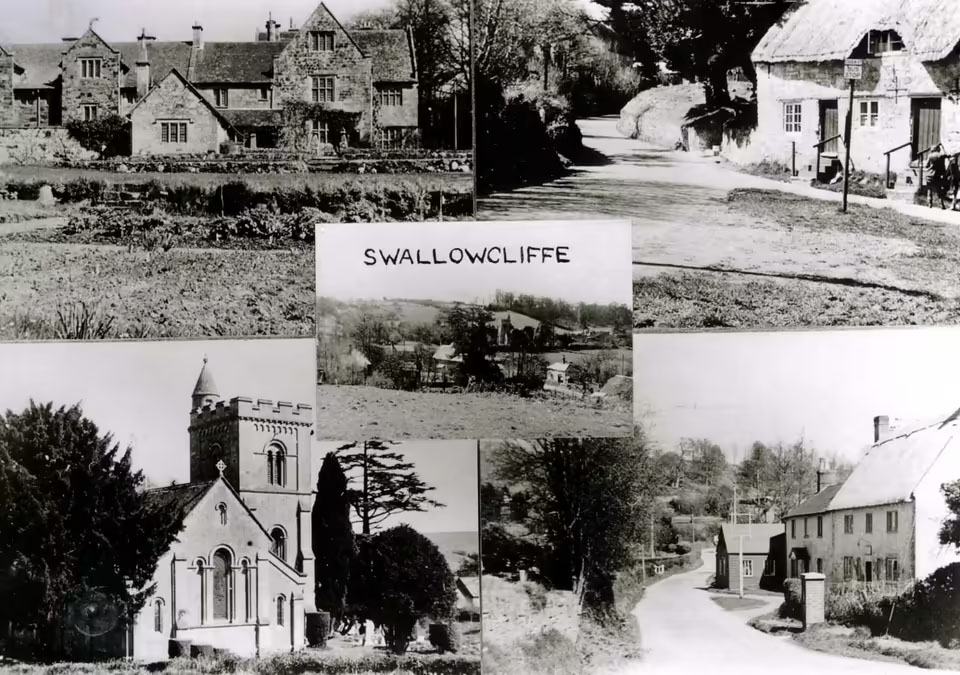
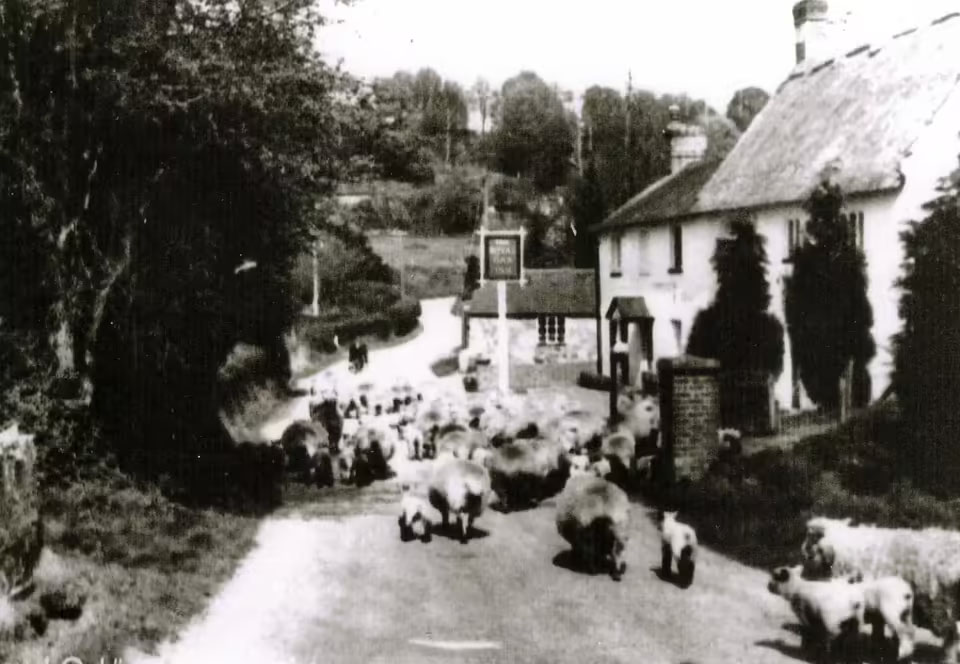
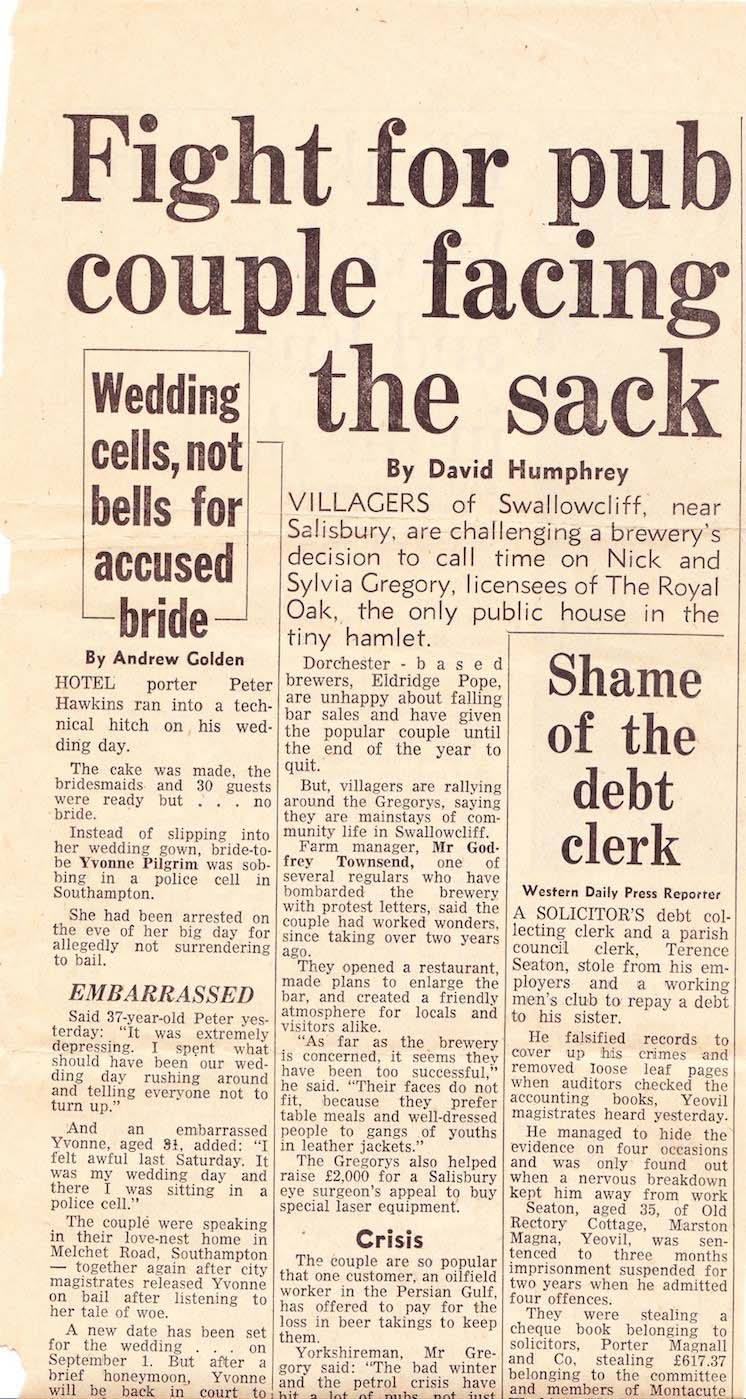
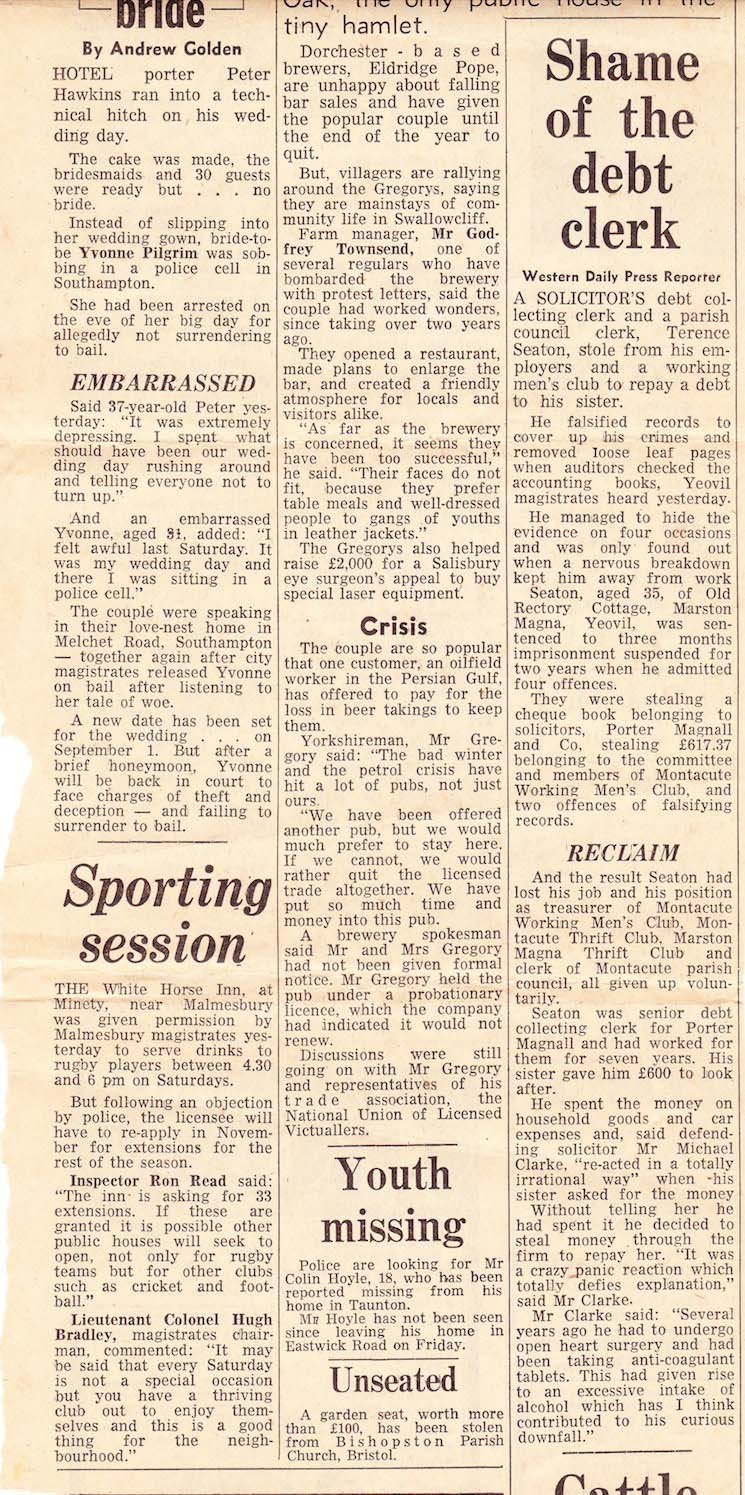
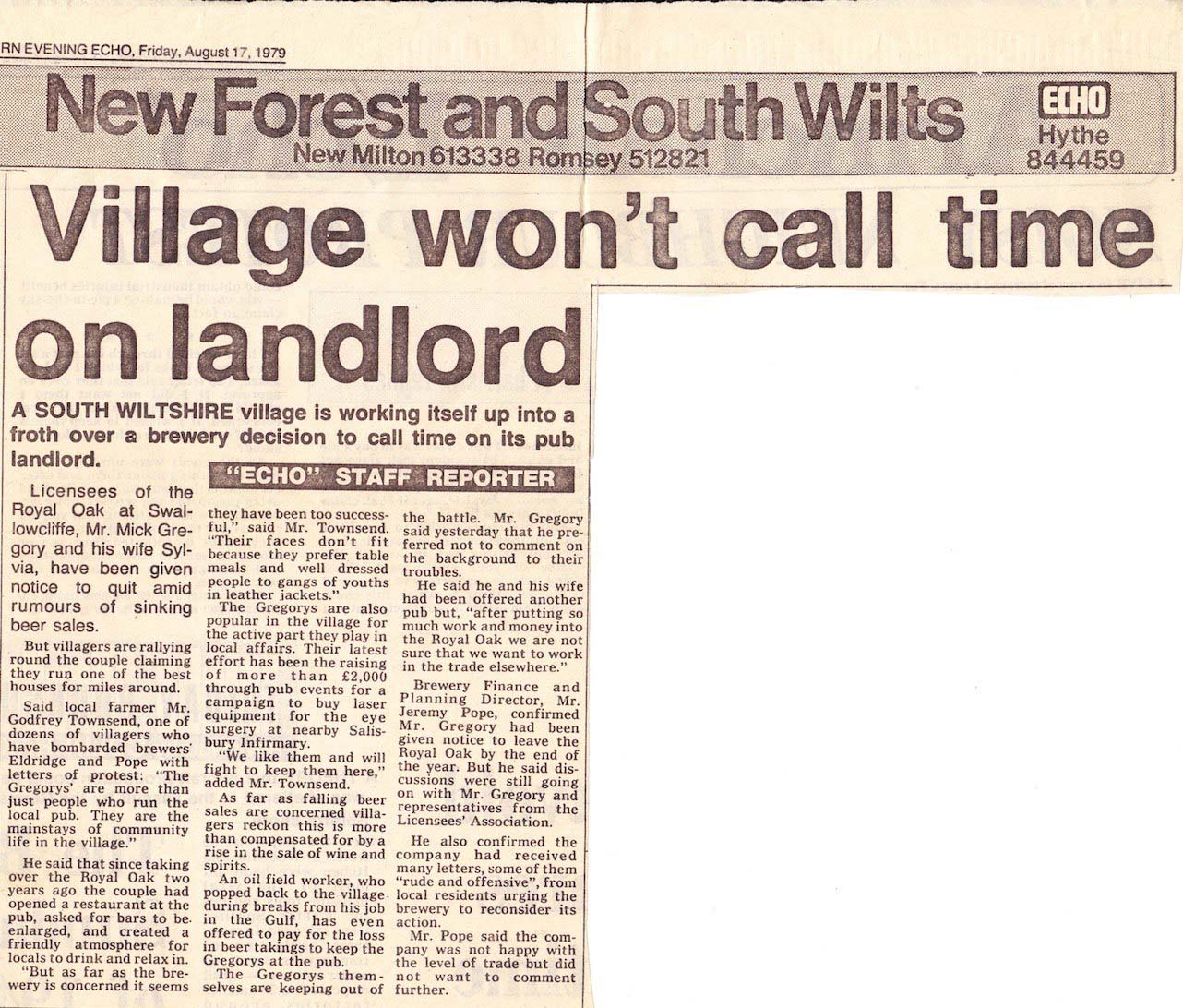
Explore the images in our gallery to discover The Royal Oak through the ages.
Sadly the pub closed its doors in 2007 and it remained unsold, empty and unloved for seven years.
Several applications were made to convert the building into private housing during that time but stiff opposition from local residents, who strongly believed the pub should remain at the heart of the community, lead to them being turned down.
Eventually three Swallowcliffe residents decided to purchase the run down building and the mammoth project of restoring The Royal Oak to its former glory commenced in April 2014.
OUR HISTORY
Although the precise date of The Royal Oak's construction is unknown, one of the chimney stacks bears the date 1705 and it is known to have been in use as a tannery by 1707.
The tannery works were built and owned by Thomas Wright and after his death the building continued to be referred to as a tanyard for over 100 years. It is known the tannery was a contributing factor in the decision to move St Peter's Church in 1842, from its position directly to the west of The Royal Oak, to where it stands today. The tannery owned the watercourses at the back of (what is today) The Royal Oak garden and their use in the tanning process contributed to the regular flooding of the old church.
The building was still called The Tanyard in the 1851 census, but was possibly now only used as a farmhouse. The 1861 census shows that owner Edward Spencer had decided to turn the building into an ale house and records show that the doors of The Royal Oak Inn were first opened some time between 1852 and 1858.
It was said that few changes were made to the interior of the building during this time and that the ale house looked much as it had when Thomas Wright first built the tannery in the early 1700's.
The pub remained a constant and important part of village life for over a century, until it closed in 2007. After an extensive renovation project, the pub reopened in 2015, and although the interior of the pub today is a far cry from the ale house in a former tannery, the exterior has barely changed since the building's construction in 1705.
Explore the images in our gallery to discover The Royal Oak through the ages.